

Hospital + Healthcare RSS Feed Hospital + Healthcare provides the latest news, updates, product developments for professionals in the industry.
- "Hell in a handbasin": infection considerations of four handbasin design features
 on October 22, 2026 at 1:00 pm
Contaminated basins in health care might put patients at risk and have implications in outbreaks of superbugs, according to a Flinders University-led review published in the Journal of Hospital Infection. The review — across 39 countries — found substantial inconsistencies between international healthcare design guidelines, leading to calls for better designs to reduce the risk of drug-resistant bacteria occurring, for example the commonly difficult-to-treat carbapenemase-producing Enterobacterales (CPE). Also, according to lead author Mikaela Todarello, a PhD candidate in Environmental Health at Flinders University, the limited evidence available makes it difficult to determine which design features best reduce the risk of pathogen spread. “Handbasins need to support effective handwashing without creating avoidable opportunities for pathogens to spread,” Todarello said. “Microbes can build up in taps and drains. When water hits contaminated surfaces, splashing can carry them onto nearby equipment and surfaces. “There is evidence that handbasin design influences how microbes spread, which means we have a real opportunity to improve these designs and reduce the risk to patients.” As part of the review, the researchers identified several features that deserve closer attention. ************************************************** 4 design features deserving closer attention Flat basin surfaces — these can allow water to pool and may produce more splashing than curved surfaces, creating conditions that favour microbial growth and spread. Shallow basins — compared with deep bowls, these types of basins have been associated with greater dispersal of small airborne droplets, known as bioaerosols. Drain position — the water stream can strike the drain and generate droplets and aerosol matters when it sits directly beneath the tap, particularly if higher-pressure. To reduce splashing, positioning of the drain away from the water stream should be considered. Water flow and bowl slope — this can change splash behaviour, while how a basin is positioned and used, and whether water pools in it, also needs to be considered. ************************************************** “There is still limited research examining how these features work together during everyday use, or which combinations best reduce infection risk,” Todarello said. “We need to close that gap so future design guidelines are based on strong evidence from real healthcare environments.” The findings of the review point to a practical opportunity to strengthen infection prevention, Professor Harriet Whiley, Professor in Environmental Health at Flinders University, said. “We ask healthcare workers to wash their hands to protect patients. We should make sure the handbasins they use are designed with the same goal in mind,” Whiley said. “Better engineering could reduce splashing, limit biofilm build-up and prevent contamination from spreading. We can do better, particularly in areas caring for patients who are most vulnerable to infection.” The review was published open access in the Journal of Hospital Infection (doi: doi.org/10.1016/j.jhin.2026.08.012). Image credit: M Todarello (Flinders University)
- Submissions invited on Aged Care Royal Commission recommendations
 on October 22, 2026 at 1:00 pm
Until 29 January 2027, the Office of the Inspector-General of Aged Care is inviting submissions that help demonstrate how the outcomes intended by the Aged Care Royal Commission have or have not been delivered by the Australian Government’s actions and measures. These submissions may be used by the Inspector-General to help inform findings, recommendations and public reporting on their review of the government’s implementation of the recommendations of the Royal Commission into Aged Care Quality and Safety, the Office of the Inspector-General of Aged Care said. “We invite input from anyone interested in the aged care system, especially those with lived experience in aged care or those trying to access it, as well as their loved ones,” the Office of the Inspector-General of Aged Care said. “We encourage anyone interested in the aged care system to contribute.” The Office of the Inspector-General of Aged Care advised that submissions could come from: older people, their families and carers; aged care providers; people who work in aged care; peak bodies; advocates; researchers and academics; unions; community organisations; and government agencies. Submissions can be via: Online form Download and email or mail of the submission template Voicemail to 1800 565 789 Post to: Office of the Inspector-General of Aged Care, Royal Commission Review, Reply Paid 83426, Woden ACT 2606 More information on the review is available here. Image credit: iStock.com/Mirjana Pusicic
- Former podiatrist fined over "quite brazen" offending that included a TV appearance
 on October 21, 2026 at 1:00 pm
A New South Wales man has been convicted and fined $6000 (and ordered to pay Ahpra’s legal costs of $8831) for falsely holding himself out as a registered health practitioner after his registration was suspended, in February 2024, by the Podiatry Council of NSW. Ahpra prosecuted the man who continued working and promoting his work for 18 months; this promotion included platforms such as social media and a nationally broadcast television program. As heard in the Parramatta Local Court, the man was introduced as a podiatrist on the television program and gave advice about a range of podiatric conditions. Ahpra CEO Justin Untersteiner said the case prompted the regulator to last year write to media organisations urging them to check the Register of practitioners before promoting anyone who claimed to be authorised or qualified to practise in a health profession. “Ahpra maintains a national register of nearly 1 million practitioners across 16 professions that anyone can check at any time,” Untersteiner said. “The register lists every practitioner who is authorised and qualified to practise in Australia. It also shows when a practitioner has been suspended or had restrictions or conditions placed on their registration to protect the public. The register is vitally important for transparency and for maintaining trust in the professions.” Regarding the patients the man treated, Ahpra said many were vulnerable, including children, individuals with intellectual disability — who were non-verbal or had reduced capacity to communicate — and with impaired mobility. During this period, Ahpra said there is no suggestion any patients were harmed. The man pleaded guilty to holding himself out as registered podiatrist whilst unregistered in court on 15 October. The early guilty plea was noted by Judge Catherine Follent, but Follent also said the man’s offending was “objectively serious”, “quite brazen” and continued “over a prolonged period”. There are more than 6100 registered podiatrists in Australia, Ahpra advised. Anyone wanting to check the status of a practitioner, or someone claiming to be registered, should search the Register of practitioners and raise any concerns with Ahpra. Image credit: iStock.com/claudiodivizia
- Better questions, clearer choices: putting the person at the centre of continence support
 on October 19, 2026 at 1:00 pm
Continence support is deeply practical. It can involve assessment, treatment, toileting support, daily routines, communication with carers and products where appropriate. In busy care environments, staff need consistency, organisations need reliable systems and individuals need support that can be delivered predictably. Yet when a continence product forms part of someone’s support, the decision can easily become narrower than the person it is meant to support. What is routinely stocked, familiar to staff or already in place can quietly become the default. For the individual, that same decision may carry much more meaning. It sits close to privacy, bodily autonomy, everyday routines and independence. It can shape how involved a person feels and whether they understand why a particular approach has been chosen. The question, then, should be broader than “What do we normally use?” It also needs to be: “What does this person need, what do they understand and what matters to them?” In Australian aged care, this is not peripheral to quality. The strengthened Aged Care Quality Standards require providers to support older people to exercise choice and to provide timely, accurate, tailored and sufficient information in a way they understand. They also require services to treat individuals with dignity and respect, protect personal privacy and give individuals choice about how and when they receive intimate personal care, which should be carried out sensitively and in private.1, 2 Information is part of person-centred care Health literacy tends to be discussed in relation to diagnosis, treatment or consent. The underlying principle is just as useful in everyday care decisions. The Australian Commission on Safety and Quality in Health Care describes health literacy as a person’s ability to find, understand and use information to make informed decisions about health and health care.3 That matters in continence support, where people may be navigating unfamiliar language while already uncomfortable discussing the subject at all. A person or carer may be trying to work out what the options mean, how they fit into an existing routine or what they should even be asking. Clear information should help someone understand the decision in front of them. This does not mean every person needs an exhaustive explanation of every option. It means the information needs to be relevant enough for the person to take part meaningfully. Daily routine, mobility, dexterity, independence, privacy, personal preferences and who provides assistance may all shape that conversation. Routine is useful. Automatic decisions are not. Healthcare and aged-care settings need standard processes. Familiar products and established supply systems can support training, consistency and operational reliability. The difficulty arises when the system becomes both the starting point and the finishing point of the decision. Person-centred care is not only about how support is delivered. It is also about how the decision is reached. An established approach may keep working well but it should stay open to review as a person’s routine, function, mobility, assistance needs or preferences change. Current aged-care guidance links continence care with dignity, comfort, function and mobility.4 A 2026 scoping review of older adults’ perspectives on continence care found that older people reported limited access to information and wanted greater involvement in decisions about their care. It also highlighted the value they placed on self-determination, independence and person-centred support.5 The information issue is not new. Australian qualitative research found that people with incontinence and their carers often relied on trial and error and wanted clearer information about the choices available.6 Standardisation can support consistency. It should not remove the need for review. Continence support also needs to work within a person’s actual day. Familiarity should not remove the need to ask whether the current approach still reflects the individual. ************************************************** Better questions before better choices A useful continence conversation does not require a professional to become a product expert. It requires curiosity about the person. Before settling on or continuing a support approach, useful questions might include: What matters most to this person in their everyday routine? What is working well with the current approach and what is difficult? Does the person understand the relevant options and why the current approach has been chosen? Are there practical factors to consider, such as dressing, toileting, mobility, dexterity, cognition or the level of assistance required? Has anything changed in the person’s needs, preferences or routine that should prompt review? Who does the person want involved in these conversations and how would they prefer sensitive care to be discussed? Where cognition or communication affects decision-making, the way a person’s preferences are understood and supported may need to change. That is different from assuming the person should no longer be part of the conversation.1 None of this is a substitute for continence assessment, treatment, clinical judgement or referral when specialist input is required. Current aged-care guidance similarly places assessment, care planning, review and access to relevant health professionals within continence care.4 The point of better questions is not to make every decision longer. It is to make it more intentional. ************************************************** Dignity lives in the details Dignity is sometimes used so broadly in health care that it risks becoming abstract. Continence care makes it concrete. Australian-led research into dignity-protective continence care identified respect, empathy, trust, privacy, autonomy and communication as central domains of dignified care.7 These are not features of a product. They are qualities of the care encounter. They show up in how a question is asked. Whether privacy is protected. Whether a person is given time to answer. Whether staff assume or ask. Whether a carer speaks about the person rather than with them. Whether a change in preference is treated as an inconvenience or as useful information. Listening to people talk about continence support, I have been struck by how often the conversation moves beyond supply or routine. It can sit very close to a person’s sense of normality, privacy and control in everyday life. A familiar approach may be entirely suitable when it has been reviewed with the person and still reflects their needs and preferences. The difference is not novelty. It is participation. Reviewing established approaches For nurses, continence nurses and care managers, keeping the person at the centre may simply mean pausing when circumstances change to check that an established approach still reflects the person’s current needs and preferences. For organisations, it may mean making sure staff can explain relevant information clearly and know when specialist continence advice may be appropriate. Continence support is broader than any product. It can involve assessment, treatment, toileting strategies, environmental changes, routines, carers and specialist advice. The same principle matters during hospitalisation, rehabilitation and transitions of care, when a person’s mobility, function or level of assistance may change quickly. Continence support in these settings should stay attentive to what the person is able to do and what they are working to maintain or regain.8 When products form part of that picture, the decision about them still deserves care. A higher standard for an everyday decision The current aged-care standards place choice, understandable information, dignity and person-centred care firmly within expectations of quality.1, 2 Continence support is one of the places where those principles become intensely practical. A continence support decision is not only a product decision. It is also a conversation about how a person wants to live, what they understand and what they want to remain able to decide for themselves. Better continence support begins before a product is chosen. It begins with better questions, clearer information and a willingness to keep the person involved. That is not a radical change to care. It is a more intentional application of principles healthcare professionals already recognise: dignity, choice and respect for the individual. *Liz Anieto is founder of Svelte. 1. Aged Care Quality and Safety Commission. Choice, independence and quality of life. Accessed 18 August, 2026. https://www.agedcarequality.gov.au/strengthened-quality-standards/individual/choice-independence-and-quality-life 2. Aged Care Quality and Safety Commission. Dignity, respect and privacy. Accessed 18 August, 2026. https://www.agedcarequality.gov.au/strengthened-quality-standards/individual/dignity-respect-and-privacy 3. Australian Commission on Safety and Quality in Health Care. Understanding health information (health literacy). Accessed 18 August, 2026. https://www.safetyandquality.gov.au/our-work/patient-and-consumer-centred-care/health-literacy/national-statement-health-literacy 4. Aged Care Quality and Safety Commission. Safety of clinical care services. Accessed 18 August, 2026. https://www.agedcarequality.gov.au/strengthened-quality-standards/clinical-care/safety-clinical-care-services 5. Silverglow A, Milsom I, Kennedy M, Wijk H, Wagg A. Continence care quality from the perspective of older adults in long-term care or in receipt of home care: a scoping review. BMJ Open. 2026;16(2):e107685. doi: 10.1136/bmjopen-2025-107685 6. Paterson J, Dunn S, Kowanko I, van Loon A, Stein I, Pretty L. Selection of continence products: perspectives of people who have incontinence and their carers. Disabil Rehabil. 2003;25(17):955-963. doi: 10.1080/096382809210142211 7. Ostaszkiewicz J, Dickson-Swift V, Hutchinson A, Wagg A. A concept analysis of dignity-protective continence care for care dependent older people in long-term care settings. BMC Geriatr. 2020;20:266. doi: 10.1186/s12877-020-01673-x 8. Yates A. Preventing deconditioning and incontinence in older people in acute care settings. Nurs Stand. Published online 16 July, 2026. doi: 10.7748/ns.2026.e12750 Top image credit: iStock.com/skynesher
- Services commence today at Flinders Street Health
 on October 18, 2026 at 1:00 pm
A new community health hub at 244 Flinders Street has begun providing services, seeking to provide compassionate, practical and coordinated support for people experiencing vulnerability in Melbourne’s CBD. Operated by cohealth, Flinders Street Health will provide a gateway to services and support across the city. Ground floor reception area. Image: Victorian Health Building Authority Level one reception area. Image: Victorian Health Building Authority Design elements of the purpose-built facility include a welcoming front reception, consulting rooms, a drop-in zone with kitchen, laundry and shower facilities, counselling and treatment spaces designed in partnership with key organisations and people with lived experience. Drop in zone — kitchen area. Image: Victorian Health Building Authority Consulting room. Image: Victorian Health Building Authority “Bringing existing and new services together will make it easier for people to receive coordinated care, comprehensive case management and practical support to maintain their health and wellbeing,” Victorian Health Building Authority said, the project forming part of the Victorian Government’s Statewide Action Plan. Staff workspaces. Image: Victorian Health Building Authority Top image: Counselling room. Image: Victorian Health Building Authority
- Government to commission aged care assessment tool review
 on October 18, 2026 at 1:00 pm
The Australian Government has announced that it will commission an independent review of the aged care classification and prioritisation assessment mechanisms. The announcement follows feedback from older Australians, their families and stakeholders since the commencement of Support at Home, on 1 November 2025 — in particular about how the Integrated Assessment Tool works. “We have made refinements where people’s experience of the system shows it is needed. We’ve changed the Aged Care Rules to help more people receive care faster, to ensure the accuracy of assessment inputs and to recognise Motor Neurone Disease as a discrete, specific condition warranting urgent priority for Support at Home,” the government said. “This review will build on that work and respond to feedback that while these changes have made improvements, the assessment systems are not always getting it right. The government will set out a clear plan to ensure the classification and priority mechanisms reflect the care needs of older Australians. “With nearly 12 months of real-world assessments now completed, this independent, clinically informed review will examine how the classification and prioritisation mechanisms work, building on the refinements already made to get it right for every older person.” To ensure the assessment mechanisms appropriately allocate care based on an older person’s circumstances and priority, while maintaining sustainability in the broader aged care system, the reviewer will be empowered to recommend what changes, if any, are needed. While an expert advisory group will also be convened, bringing together experts in gerontology and assessment, to ground the review in clinical expertise. In the coming weeks, Terms of Reference will be released, the government said, with the review to report to the government. The report will published in full and tabled in parliament, in the first half of 2027. Image credit: iStock.com/shapecharge
- A Day in the Life of a rural generalist anaesthetist and men's mental health advocate
 on October 18, 2026 at 1:00 pm
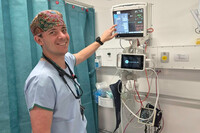
05:00 Thursday starts early, with the drive to Lithgow. The travel is part of working across rural and regional communities, and it gives me a couple of hours to think through the day ahead. Of course, in rural medicine, what is on the list at 5 am and what actually happens can be two very different things. 07:30 Once I arrive, I prepare for theatre and review the operating list. The mix varies from week to week and can include ophthalmology, general surgery, dental procedures and gynaecology. Before we start, I need to understand each patient’s history, the planned procedure and anything that may affect their anaesthetic care. 08:00 Most of the working day is spent running the anaesthetic list. At the same time, I am on call for anaesthetic issues and for patients on the hospital wards, so there is always the possibility of being pulled away. I also generally supervise a final-year medical student. A lot of the teaching happens at the bedside, which is one of the benefits of rural practice. Students get to see how clinical decision-making works across different settings rather than within one narrow part of medicine. 11:30 I’m called away from theatre to the labour ward to insert an epidural, before returning to the operating list. 16:00 Once theatre finishes, I review the following week’s cases and identify patients who may need a pre-anaesthetic assessment before their procedure. This is also a window to review any urgent patients in the ED or on the wards before moving into the GP part of my day. Image: Supplied 16:30 My evening GP session can cover almost anything: removing a skin lesion, preparing a mental health care plan, following up a patient after a hospital admission or completing a pre-anaesthetic review. This part of the day is a good reminder that the reason someone presents is not always the whole story. In general practice, especially where there is continuity over time, you have the opportunity to notice changes, ask a little more and create space for concerns that may not come up straight away. That is particularly relevant in men’s health. Many men may make it through the door of primary care, but building the trust that keeps them connected to care can be another challenge. Sometimes the presenting concern is only part of the picture, and distress or other issues may be underplayed, left unsaid or emerge indirectly. It is an area I care deeply about, and one I have explored through my work with Movember’s Men in Mind for Primary Care. The program is designed to give health professionals practical, evidence-informed tools to strengthen conversations with men, recognise when concerns may be hiding in plain sight and support continued engagement with care. (You can learn more about the program at meninmind.movember.com/primarycare.) 19:00 After general practice, the day can shift back to inpatient medicine. After general practice, I return to the hospital to admit patients, including people presenting through the ED with anything from heart failure to pneumonia, as well as patients transferring back from other hospitals following procedures such as hip replacements and coronary bypass surgery. One of the realities of rural generalism is that you often see patients across different stages of their care. The boundaries between hospital medicine, general practice and follow-up are much less rigid. 22:00 Some Thursdays finish around 9 pm. Others do not. On this particular day, I am called back into the hospital for a resuscitation in the ED. By the time I leave again, it is around 11.30 pm. It has been a long day, but also one that captures why rural generalist medicine is difficult to describe with a single job title. In the space of one Thursday, I have worked across anaesthesia, obstetrics, teaching, general practice, mental health, inpatient medicine and emergency care. And the next Thursday will almost certainly look different again. Video diary. Video: Supplied Top image: Supplied
- Burnout in health care isn't an 80/20 problem: why a more balanced view is needed and what it means for you and your workplace
 on October 15, 2026 at 1:00 pm
You probably don’t need convincing that burnout is widespread within health care. But if you did, there is plenty of data to support the claim. Estimates within health care vary based on how ‘burnout’ is defined, although estimates of at least 50% seem to be the norm.1 Nearly 70% of Australian GPs report experiencing burnout.2 Measurement issues aside, the fact this syndrome resonates with so many healthcare professionals highlights a major problem in the sector. Burnout and the 80/20 narrative If the scale was not enough to raise alarms, then consider the consequences of healthcare professional burnout. Healthcare professionals experiencing burnout are more likely to report making errors, with links also evident for objectively measured medical errors.3, 4, 5 Healthcare professionals report experiencing less empathy for their patients.6, 7 Patients are more likely to change doctors when their preferred doctor is experiencing burnout.8 The productivity and turnover costs in the United States of America among doctors alone were conservatively estimated at $4.6 billion each year back in 2019.9 Further, burnout is linked to intention of leaving the profession;6 with the widespread workforce shortages facing Australian healthcare professionals,10 this threatens to exacerbate workload and thereby create a vicious cycle of deterioration. Burnout in healthcare professionals urgently requires solutions. Solutions must come from individuals, organisations and healthcare systems, appropriately weighted to those with the most control — often this will be workplaces. Increasingly, though, I have been hearing the phrase that burnout follows the 80/20 rule — that 80% of burnout is caused by organisations and systems, and only 20% of causes are individual factors. I understand the sentiment — that we cannot blame individuals for experiencing burnout. However, this is a polarising and misleadingly precise claim. No research exists that quantifies this balance. Rather, it originated from an interview where a burnout researcher made an informal approximation rather than a quantifiable, evidence-based finding. Although research does somewhat suggest there may be more impact from organisational and systemic interventions,11 applying the 80/20 rule, in my opinion, does more harm than good. Christina Maslach, burnout research pioneer, strongly argues that burnout is fundamentally a psychosocial process — a psychological reaction within a context.12, 13 Research identifies individual, organisational and systemic risk factors for healthcare professional burnout, but does not suggest we can say any one of these is more important than the others.14, 15 We also cannot overlook the potential damage of this 80/20 characterisation for individuals. Those experiencing burnout already experience helplessness.16 This framing may reinforce their helplessness by implying they can only influence a small fraction of their experiences. I propose that we replace the 80/20 narrative given it is polarising and potentially self-defeating. Instead, we need to empower individuals and organisations with evidence so they can both focus on what is in their control and advocate for the bigger changes required.17 This is not a radical idea, with a clear basis in the widely accepted Job Demands-Resources model.18, 19 To make this more practical, let’s consider how this plays out across four key risk factors for burnout, and what actions are feasible and required at individual, organisational and system levels. ************************************************** 4 key risk factors for burnout 1. Individual psychological experiences A person’s individual psychological experiences are one risk factor for burnout. There are well-documented links between healthcare professionals having historical or current psychological distress and being more likely to experience burnout,14 acknowledging that working conditions often contribute to this. Underlying psychological factors such as perfectionistic strivings — often exacerbated by professional cultures — may be associated with greater risk of burnout. Targeted responses to these risk factors require effective psychological supports for individuals. Simply offering an employee assistance program, however, is not sufficient. Workplace and professional cultures play a major role in shaping and reinforcing these psychological characteristics.20 Further, stigma and fear of consequences can discourage help-seeking, allowing problems to fester.21, 22, 23 Accessibility is a key concern as well for many healthcare providers.24 We therefore simultaneously need cultural reform and increased opportunities to facilitate help-seeking among individuals. Psychological characteristics may often be relegated to the responsibility of the individual, but meaningful organisational and systemic intervention is vital for success. 2. Isolation A related risk factor is isolation. Connection is a basic human need25 and essential to healthcare professional wellbeing.26, 27 Healthcare professionals themselves have raised connection as an important protective strategy against burnout.27, 28, 29 This factor again does not sit squarely with individuals or organisations. Building personal and professional support networks is an important personal task that individuals navigate. However, organisations and professional cultures are responsible for enabling this to occur.30 This could include using group-based rather than individual or asynchronous interventions to foster community,27 which can be effective.31 Again, organisations can look to instigate cultural reform to dismantle stigma of experiencing wellbeing issues.21, 32 Workplaces hold a responsibility to meaningfully enable opportunities for individuals to seek genuine and safe connection. 3. Autonomy Autonomy is another factor often discussed — healthcare professionals’ ability to direct their time between different tasks and spheres of life. Insufficient autonomy has been linked with burnout,14, 33 while higher autonomy builds engagement and satisfaction with work independent of workload.34 Autonomy is traditionally something viewed as being in the hands of organisations and systems that must be granted to individuals. There is some truth in this. Workplaces hold much power over this through rosters, task allocation and administrative burdens. As such, there will likely be benefits to empowering healthcare professionals. Even here, individuals’ use of autonomy can have different impacts on the benefits for their wellbeing.35 An example of this is doctors who diversify their work — simply taking on other roles does not protect against burnout. However, using autonomy to engage in meaningful activities is key.36, 37 Autonomy is yet another case where partnership is needed. 4. Workload The risk factor perhaps most commonly attributed to organisations and systems is workload. Yet, one of the key determinants of burnout14, 33, 37 is something that often lies beyond even organisations, relying on the volume of care needed to meet population-wide patient demand. What organisations do have responsibility for is ensuring adequate staffing to meet these demands at a sustainable level. This represents organisations’ duty to provide physical and psychosocial safety for those who deliver this care. Just as organisations must establish and articulate boundaries in workload for their own viability, professional codes recognise how healthcare professionals must practise in a safe manner, requiring individuals to monitor themselves. This is a very complicated area, because power dynamics and professional cultures operate through employment security, training requirements, patient needs and funding models, among other factors. However, to effectively navigate workloads in a sustainable way, we need coordination between individuals and organisations. Even in this case where the onus lies with organisations, input from individuals — within their remit — is critical to effect change. ************************************************** A shared — but not equal — responsibility Traditional views create a false dichotomy between individual and organisational responsibilities. Instead, there is so much nuance to navigate the wicked problem of healthcare professional burnout. We must be careful of how catchy phrases may impede the cause of addressing burnout even if the sentiment is fair. Such phrases risk creating division and polarisation when we need the opposite: collaboration. Viable solutions to burnout will not lie exclusively with individual- or organisational-level solutions by themselves. Burnout is multifactorial, with each risk factor lying on a spectrum of responsibility spanning individuals to healthcare systems. Only through pooling our resources across this spectrum — from individuals to large healthcare systems and institutions — will we begin to see meaningful progress. This means shared — but not equal — responsibility. What does this look like? For healthcare professionals, this means practising safely and prioritising yourself. A foundational part is building awareness of yourself — recognising what your needs are, what meaningfulness looks like to you and how warning signs may show up. This knowledge can help you when striving to build supportive networks, seeking support for early warning signs, knowing your limits and deciding on career directions. It also means recognising that burnout is not a personal failing, but the manifestation of a complex interplay of factors. Speaking out — where safe to do so — against practices and behaviours that perpetuate unhealthy cultures is something else to work towards. For workplaces, recognising that meaningful participation from your staff in wellbeing initiatives is key to bringing about change. Rather than having dedicated wellbeing resources — although important — the aim should be focusing instead on more foundational changes that will enable connection, that support safety for not only patients but also healthcare professionals, and meeting commitments to leverage the power available to them. This means fostering community through opportunities for social connection, providing personal leave that staff feel allowed to use, and being open to accepting and acting on feedback from healthcare professionals. Let’s replace the mantra that 80% of burnout comes from organisations with a commitment by individuals, organisations and systems to cooperatively work within their spheres of influence to reach solutions to this common problem. *Dr Shaun Prentice is a psychologist based in Adelaide with a professional focus on doctors’ burnout, wellbeing and sustainable medical practice. 1. Chirico F, Afolabi AA, Ilesanmi OS, Nucera G, Ferrari G, Sacco A, et al. Prevalence, risk factors and prevention of burnout syndrome among healthcare workers: an umbrella review of systematic reviews and meta-analyses. Journal of Health and Social Sciences. 2021;6(4):465–491. doi: 10.19204/2021/prvl3 2. Royal Australian College of General Practitioners. General Practice: Health of the Nation 2025. East Melbourne, Vic: RACGP; 2025. Available from: https://www.racgp.org.au/FSDEDEV/media/documents/Health-of-the-Nation-2025.pdf 3. Hall LH, Johnson J, Watt I, Tsipa A, O’Connor DB. Healthcare staff wellbeing, burnout, and patient safety: a systematic review. PloS one. 2016;11(7):e0159015. doi: 10.1371/journal.pone.0159015 4. Salyers MP, Bonfils KA, Luther L, Firmin RL, White DA, Adams EL, et al. The relationship between professional burnout and quality and safety in healthcare: a meta-analysis. Journal of General Internal Medicine. 2017;32(4):475–482. doi: 10.1007/s11606-016-3886-9 5. Tawfik D, Scheid A, Profit J, Shanafelt T, Trockel M, Adair K, et al. Evidence relating health care provider burnout and quality of care: a systematic review and meta-analysis. Annals of Internal Medicine. 2019;171(8):555–567. doi: 10.7326/M19-1152 6. Williams ES, Rathert C, Buttigieg SC. The personal and professional consequences of physician burnout: a systematic review of the literature. Medical Care Research and Review. 2020;77(5):371–386. doi: 10.1177/1077558719856787 7. Hall LH, Johnson J, Heyhoe J, Watt I, Anderson K, O’Connor DB. Exploring the impact of primary care physician burnout and well-being on patient care: a focus group study. Journal of patient safety. 2020;16(4):e278-e83. doi: 10.1097/PTS.0000000000000438 8. Nørøxe K, Vedsted P, Bro F, Carlsen A, Pedersen A. Mental well-being and job satisfaction in general practitioners in Denmark and their patients’ change of general practitioner: a cohort study combining survey data and register data. BMJ Open. 2019;9:e030142. doi: 10.1136/bmjopen-2019-030142 9. Han S, Shanafelt TD, Sinsky CA, Awad KM, Dyrbye LN, Fiscus LC, et al. Estimating the attributable cost of physician burnout in the United States. Annals of internal medicine. 2019;170(11):784–790. doi: 10.7326/M18-1422 10. Australian Institute of Health and Welfare. Health Workforce Canberra: AIHW; 2026 [updated 9th July 2026]. Available from: https://www.aihw.gov.au/reports/workforce/health-workforce. 11. West CP, Dyrbye LN, Erwin PJ, Shanafelt TD. Interventions to prevent and reduce physician burnout: a systematic review and meta-analysis. The Lancet. 2016;388(10057):2272–2281. doi: 10.1016/S0140-6736(16)31279-X 12. Prentice S. Defining burnout: What is this syndrome and what sets it apart from other labels? Australian Journal of General Practice. 2026;55(3):143–146. doi: 10.31128/AJGP-02-25-7566 13. Maslach C. Burnout: A multidimensional perspective. In: Schaufeli W, Maslach C, Marek T, editors. Professional Burnout: Recent Developments in Theory and Research. New York, NY: Taylor & Francis; 2017. p. 19–32. doi: 10.4324/9781315227979-3 14. Zhou AY, Panagioti M, Esmail A, Agius R, Van Tongeren M, Bower P. Factors Associated With Burnout and Stress in Trainee Physicians: A Systematic Review and Meta-analysis. JAMA Network Open. 2020;3(8):e2013761. doi: 10.1001/jamanetworkopen.2020.13761 15. Meredith LS, Bouskill K, Chang J, Larkin J, Motala A, Hempel S. Predictors of burnout among US healthcare providers: A systematic review. BMJ Open. 2022;12(8):e054243. doi: 10.1136/bmjopen-2021-054243 16. Parker G, Tavella G. Distinguishing burnout from clinical depression: A theoretical differentiation template. Journal of Affective Disorders. 2021;281:168–173. doi: 10.1016/j.jad.2020.12.022 17. Prentice S, Elliott T, Benson J, Dorstyn D. Burnout and wellbeing in the Australian General Practice Training context: stakeholder-informed guidelines. Australian Journal of General Practice. 2023;52(3):127–132. doi: 10.31128/AJGP-02-22-6340 18. Prentice S, Benson J, Kay M. General practitioner burnout: A practical model to identify solutions. Australian Journal of General Practice. 2026;55(9):652–654. doi: 10.31128/AJGP-03-25-7593 19. Demerouti E, Bakker AB, Nachreiner F, Schaufeli W. The job demands-resources model of burnout. Journal of Applied Psychology. 2001;86(3):499–512. doi: 10.1037/0021-9010.86.3.499 20. Prentice S. Medical culture: How it affects general practitioners’ wellbeing and what needs to change. Australian Journal of General Practice. 2025;54(11):770–772. doi: 10.31128/AJGP-10-24-7452 21. Brower KJ. Professional Stigma of Mental Health Issues: Physicians Are Both the Cause and Solution. Academic Medicine. 2021;96(5):635–640. doi: 10.1097/ACM.0000000000003738 22. Dyrbye LN, Eacker A, Durning SJ, Brazeau C, Moutier C, Massie FS, et al. The Impact of Stigma and Personal Experiences on the Help-Seeking Behaviors of Medical Students With Burnout. Academic Medicine. 2015;90(7):961–969. doi: 10.1097/ACM.0000000000000657 23. Henderson M, Brooks SK, del Busso L, Chalder T, Harvey SB, Hotopf M, et al. Shame! Self-stigmatisation as an obstacle to sick doctors returning to work: a qualitative study. BMJ open. 2012;2(5):e001776. doi: 10.1136/bmjopen-2012-001776 24. Kay M, Mitchell G, Clavarino A, Frank E. Developing a framework for understanding doctors’ health access: a qualitative study of Australian GPs. Australian journal of primary health. 2012;18(2):158–165. doi: 10.1071/PY11037 25. Ryan RM, Deci EL. Basic Psychological Needs Theory: Satisfaction and Frustration of Autonomy, Competence, and Relatedness in Relation to Psychological Wellness and Full Functioning. Self-Determination Theory: Basic Psychological Needs in Motivation, Development, and Wellness. New York, USA: Guilford Publishers; 2016. p. 239–271. 26. Hyman JH, Doolittle B. Thriving in Residency: a Qualitative Study. Journal of General Internal Medicine. 2022;37(9):2173–2179. doi: 10.1007/s11606-022-07504-6 27. Carrieri D, Briscoe S, Jackson M, Mattick K, Papoutsi C, Pearson M, et al. ‘Care Under Pressure’: a realist review of interventions to tackle doctors’ mental ill-health and its impacts on the clinical workforce and patient care. BMJ Open. 2018;8:e021273. doi: 10.1136/bmjopen-2017-021273 28. Hale AJ, Ricotta DN, Freed J, Smith CC, Huang GC. Adapting Maslow’s hierarchy of needs as a framework for resident wellness. Teaching and learning in medicine. 2019;31(1):109–118. doi: 10.1080/10401334.2018.1456928 29. Ironside K, Becker D, Chen I, Daniyan A, Kian A, Saheba N, et al. Resident and faculty perspectives on prevention of resident burnout: a focus group study. The Permanente Journal. 2019;23(18):185. doi: 10.7812/TPP/18-185 30. Penwell-Waines L, Runyan C, Kolobova I, Grace A, Brennan J, Buck K, et al. Making Sense of Family Medicine Resident Wellness Curricula: A Delphi Study of Content Experts. Family Medicine. 2019;51(8):670–676. doi: 10.22454/FamMed.2019.539829 31. Prentice S, Patel DN, Dorstyn DS. Wellbeing interventions in family medicine and general practice trainees: a preliminary meta-analysis. Education for Primary Care. 2025;36(3):82–93. doi: 10.1080/14739879.2025.2469494 32. Clough BA, March S, Leane S, Ireland MJ. What prevents doctors from seeking help for stress and burnout? A mixed-methods investigation among metropolitan and regional-based Australian doctors. Journal of Clinical Psychology. 2019;75(3):418–432. doi: 10.1002/jclp.22707 33. National Academies of Sciences EaM. Taking action against clinician burnout: a systems approach to professional well-being. Washington, DC: The National Academies Press, 2019. doi: 10.17226/25521 34. Fletcher S, Muck A, Finertie H, Chan M, Keyes J, Sethi AS, et al. RESET as a Primary Care Redesign: Differences in Burnout, Fulfillment, and Workplace Experience in a Large, Integrated System. The Permanente Journal. 2026;25(February):1–13. doi: 10.7812/TPP/25.233 35. Benson J, Prentice S, Need P, Pitot M, Elliott T. “A sense of self, empowerment and purposefulness”: Professional Diversification and Wellbeing in Australian General Practitioners. Australian Journal of Primary Health. 2024;30:PY23090. doi: 10.1071/PY23090 36. Prentice S, Benson J, Need P, Pitot M, Elliott T. Personal value fulfilment predicts burnout and wellbeing amongst Australian General Practitioners. Journal of Workplace Behavioral Health. 2024;39(2):177–193. doi: 10.1080/15555240.2023.2256977 37. Shanafelt TD, West CP, Sloan JA, Novotny PJ, Poland GA, Menaker R, et al. Career fit and burnout among academic faculty. Archives of Internal Medicine. 2009;169(10):990–995. doi: 10.1001/archinternmed.2009.70 Top image credit: iStock.com/SolStock
- A Good Cleaning Schedule: Best Practices for Healthcare Facilities
 on October 14, 2026 at 1:00 pm
************************************************** Key Takeaways Identify surfaces and equipment (patient rooms, bathrooms, devices) and assign cleaning frequencies such as daily, between patients, spot cleans and periodic deep cleans. Detail methods for each task: cleaning followed by disinfection, appropriate detergents, colour‑coded cloths, correct dwell time and staff PPE. Include risk assessments, monitoring and record‑keeping to adjust the schedule as patient load, infection risks or regulations change. ************************************************** Image: Supplied What Should a Good Cleaning Schedule Include? Drawing from RACGP guidelines and best practice standards, here’s what a comprehensive routine cleaning schedule for healthcare settings should detail: 1. Surfaces and Equipment to Be Cleaned Image: Supplied Patient rooms: Beds, furnishings, doorknobs, light switches, countertops Toilets and bathrooms: Minimum daily full cleaning and disinfection, with at least twice daily checks by facility staff or cleaners Waiting areas: Focused cleaning on high-touch surfaces like chairs, door handles, and magazines Other areas: Reception desks, hallways, and administrative spaces tailored to usage patterns 2. Frequency of Cleaning Click image to enlarge. Image: Supplied Daily: Minimum daily cleaning of patient rooms, toilets, and shared touch points Between patients: Equipment and surfaces disinfected immediately after each use Spot cleaning: Rapid cleaning of spills or contamination events Additional cleaning: Based on risk assessments, patient turnover, or environmental factors Setting clear expectations for the frequency of cleaning ensures nothing is missed, even during busy times. 3. Cleaning Methods and Approved Products General cleaning: Using healthcare-grade neutral detergents to remove visible dirt and debris Disinfection: Using TGA-approved disinfectants to kill pathogens effectively Specialised equipment: Colour-coded cloths, mops, and zone-specific cleaning tools to prevent cross-contamination Other Important Considerations for Effective Cleaning Schedules Immediate risk assessment: Regular environmental checks for patient safety risks Monitoring and evaluation: Ongoing audits and adjustments of schedules for effectiveness Compliance: Strict adherence to Australian infection control regulations and healthcare standards Click image to enlarge. Image: Supplied Why Standard Commercial Cleaning Isn’t Enough As explained by Mike Liddle, General Manager of Namoli Healthcare, healthcare cleaning requires a specialist approach. Unlike commercial cleaning, it must comply with infection control guidelines mandated by federal authorities and implemented by each facility. General commercial cleaners may not understand how to avoid cross-contamination or apply zone-specific cleaning techniques, which is why partnering with specialist providers like Namoli is crucial. Bio Michael Liddle, General Manager – Namoli Healthcare, has been in the commercial cleaning and facilities management industry since 1991, bringing 34 years of hands-on and leadership experience. He has specialised in healthcare cleaning since 2005, applying 20 years of expertise in infection prevention and hygiene management. Over the past 20 years in senior management roles, Michael has successfully led operations, developed national compliance programs, and built high-performing teams across Australia’s healthcare sector. Top image: Supplied
- Why digital resilience is becoming critical in aged care
 on October 11, 2026 at 1:00 pm
In aged care, a digital system is rarely just an administrative tool. It can sit within a chain of activities that helps staff understand a resident’s needs, coordinate services, communicate with colleagues and families, or access vital information required to deliver the appropriate care. When these systems become unavailable, the impact can move quickly from the server room to the care environment. This is why digital resilience needs to become a core operational priority for aged care providers. Cybersecurity remains essential; however, resilience asks a broader question: can the organisation continue to deliver critical services when technology is disrupted, compromised or simply unavailable? This is also reflected in the Aged Care Quality Standards, which place responsibility on the governing body for meeting the requirements and overseeing how the organisation manages information security and responds to cyber incidents.2 Managing cyber risk is not just a matter of good practice. Instead, it forms part of the governance responsibilities that support safe, quality care. The broader view of resilience matters because disruption does not have to begin with a sophisticated cyber attack. A software failure, cloud outage, configuration error, compromised supplier, lost credentials or network problem can interrupt access to systems. The Australian Government’s digital reform agenda also means providers are increasingly dependent on digital interfaces and systems to support service delivery, reporting, provider operations and payments.3 As aged care becomes more dependent on digital systems, resilience becomes inseparable from care continuity. Visibility must come before resilience The first challenge is knowing what the organisation depends on. Many providers have accumulated technology over time: clinical and care applications, workforce systems, mobile devices, building systems, connected sensors, cloud services, third-party platforms and legacy infrastructure. These systems may be managed by different teams or suppliers, making it difficult to build a complete picture of the environment. Without visibility, organisations can underestimate dependencies. A seemingly minor service may support authentication for a critical application. A third-party connection may provide access to information used during a shift handover. A network segment that appears non-critical may carry traffic for systems used across multiple facilities. Providers should therefore map their critical services to the technology, data, identities, suppliers and network connections that support them. The objective is not to create an inventory for its own sake; it is to understand which technology failures could affect care, how quickly that impact would be felt and what alternatives exist. This approach is consistent with the government’s aged care digital strategy, which identifies improved security and access control, secure information sharing, and stronger data and digital maturity as sector priorities.1 It also creates a more useful basis for investment because leaders can prioritise systems according to operational importance rather than treating every asset as equally critical. Governance needs to keep pace with adoption The second challenge is governance. Digital adoption can move faster than the policies used to manage it, particularly as employees experiment with AI tools and teams adopt cloud services to solve immediate operational problems. Technology that improves productivity can still introduce risk if organisations do not know what data enters a system, where that information is stored, who can access it or how the service is supported. AI makes this especially important, and the government’s aged care digital program includes work to investigate and trial AI and other emerging technologies to improve efficiency and care.4 These initiatives point to the potential value of AI; however, providers still need clear boundaries for its use. Sensitive resident information should not be moved into unapproved tools simply because those tools are convenient. Governance should define acceptable use, data handling requirements, access controls, accountability and approval processes, while also covering third parties. A provider can have strong internal controls and still face disruption through a supplier that supports a critical service. Contracts and risk assessments should address security responsibilities, incident notification, recovery expectations, data access and exit arrangements. Segmentation can limit the impact of disruption As environments become more connected, providers need to consider how far a problem can travel. Flat or poorly separated networks can result in a compromised account, device or system exposing services well beyond the original point of entry. Segmentation helps reduce this risk by separating systems according to their function, sensitivity and operational importance. Access should be limited to what people and systems genuinely need. For example, critical care systems should not automatically share the same trust relationships as guest networks, general office devices or connected building technologies. The same principle applies to identity. Strong authentication, controlled privileges, timely removal of unnecessary access and regular review of administrative accounts reduce the chance that one compromised identity becomes a wider operational event. The Australian Signals Directorate’s Essential Eight provides a practical baseline for measures including multi-factor authentication, patching, restricting administrative privileges and regular backups.5 Recovery must be designed around care Prevention will never remove every risk, so providers need to plan for the moment when a system is unavailable. Traditional disaster recovery exercises can focus heavily on restoring infrastructure. However, in aged care the more important question is how care continues while restoration is under way. This means identifying minimum service requirements and workable manual alternatives before an incident occurs. Staff need to know how to access essential information, communicate, escalate decisions and maintain safe operations if normal digital workflows are interrupted. Backup arrangements must also be tested rather than assumed to work. Australian Signals Directorate guidance recommends maintaining secure and resilient backups and regularly testing restoration procedures to confirm recovery objectives can be achieved.6 Exercises should involve operational and care leaders, not only IT teams. A realistic scenario may reveal that the technical recovery plan is sound; however, staff do not know who has authority to switch to manual processes, how residents and families will be informed or which services must be restored first. These are governance and operational questions as much as technology questions. Older Australians, their families and aged care workers increasingly rely on digital systems to support connected, coordinated services. As providers adopt technologies that support better care and reduce administrative demands, they must also consider the dependencies these systems create. Managing these dependencies effectively is critical to maintaining trust and keeping essential services available when disruption occurs. Providers that treat resilience as part of care delivery, rather than a separate cybersecurity exercise, will be better placed to manage disruption. The priority is clear: know what matters, understand what it depends on, limit how far failures can spread and practice how the organisation will continue operating when technology does not behave as expected. In digital aged care systems, resilience is not measured only by whether an attack can be stopped. It is measured by whether people can continue to receive the care they need when disruption occurs. *Cornelius Mare is Chief Information Security Officer, Australia at Fortinet. 1. Australian Government Department of Health and Aged Care. About the Aged Care Data and Digital Strategy. Australian Government Department of Health and Aged Care. Accessed October 12, 2026. https://www.health.gov.au/our-work/aged-care-data-and-digital-strategy/about-the-aged-care-data-and-digital-strategy 2. Aged Care Quality and Safety Commission. Strengthened Aged Care Quality Standards. Aged Care Quality and Safety Commission. Accessed October 12, 2026. https://www.agedcarequality.gov.au/providers/quality-standards/strengthened-aged-care-quality-standards 3. Australian Government Department of Health and Aged Care. Aged Care Digital Reform. Australian Government Department of Health and Aged Care. Accessed October 12, 2026. https://www.health.gov.au/our-work/aged-care-reforms/aged-care-digital-reform 4. Australian Government Department of Health and Aged Care. Aged Care Data and Digital Strategy. Australian Government Department of Health and Aged Care. Accessed October 12, 2026. https://www.health.gov.au/our-work/aged-care-data-and-digital-strategy 5. Australian Cyber Security Centre. Essential Eight Maturity Model and ISM Mapping. Australian Government Department of Defence; October 2024. Accessed October 12, 2026. https://www.cyber.gov.au/sites/default/files/2024-10/PROTECT%20-%20Essential%20Eight%20Maturity%20Model%20and%20ISM%20Mapping%20%28October%202024%29.pdf 6. Australian Cyber Security Centre. Mitigations for Network Defence. Australian Government Department of Defence; October 15, 2025. Accessed October 12, 2026. https://www.cyber.gov.au/sites/default/files/2025-10/Mitigations%20for%20network%20defence.pdf Image credit: iStock.com/Jacob Wackerhausen
- Conviction and $20K fine follows "serious and prolonged" offending by former podiatrist
 on October 11, 2026 at 1:00 pm
A West Australian man, Gerard Sims, has been convicted and fined $20,000 — and ordered to pay $10,000 in costs — after, while suspended, conducting 18 consults with 11 different patients over a six-month period. After receiving complaints about his conduct, conditions had been imposed by the Podiatry Board of Australia on Sims’ registration on 1 October 2024. The conditions prohibited Sims from practising at any location not approved by the Board and from having contact with female patients. Ahpra, as part of its compliance monitoring, obtained information that Sims had continued practising from his home, which was not an approved practice location, and was also consulting with female patients. To protect public health and safety, the Board suspended Sims’ registration on 10 January 2025, meaning he could not work as a registered podiatrist anywhere in Australia. However, investigations by Ahpra revealed that following the suspension, Sims conducted 18 consults with 11 different patients, eight of whom were women, over a six-month period in the first half of 2025. There was no evidence that any patient was harmed as a result of the consultations, Ahpra said. The court was told Sims was aware that Ahpra was investigating his conduct and, on one occasion, asked a patient not to speak to anyone asking questions about him or the treatment they had received. Sims surrendered his registration as a podiatrist in August 2025. The offending was described by Magistrate Daniel Johnson as “serious and prolonged” and said Sims took active steps to cover up his actions by contacting patients about the Ahpra investigation. Johnson added it was in the public interest that future employers knew about Sims’ conviction. Sims had been a registered podiatrist in Australia since February 1985, Ahpra said, also stating that the criminal charges in this case are separate to the allegations of misconduct that led to Sims being suspended in January 2025. “It is important for patients to know that suspensions of practitioners are recorded on the Register of practitioners, and anyone can check the register on the Ahpra website to see if the health care professional they are seeing isn’t subject to disciplinary action,” Podiatry Board of Australia chair Associate Professor Kristy Robson said. You can check the Register of practitioners here. If you are affected by any of the issues discussed in this article, 1800RESPECT has a 24/7 support service that can help; please call 1800 737 732. Image credit: iStock.com/Михаил Руденко. Stock image used is for illustrative purposes only.
- Rapid-response discharge model targets bed block
 on October 11, 2026 at 1:00 pm
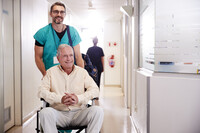
In response to health ministers calling for urgent federal action on the impacts of hospital bed block on aged care, Freewave Aged Care — a NSW home and community care provider — said it built a solution of its own: a 48-hour discharge service. The rapid-response discharge model was developed without waiting for a new government program or contract, Freewave Aged Care said. “If someone is medically ready to leave hospital, the absence of timely community support shouldn’t be the reason they remain there,” Freewave Aged Care Executive General Manager Sharon Ruddleston said. “We didn’t want to wait for a formal program to catch up with the need that already exists, so we built the capability ourselves.” The service mobilises within 24 to 48 hours of referral, coordinating home modifications, assistive technology, transport and personal care, then providing intensive support through the critical first 7 to 14 days to help people stabilise at home. “The first two weeks at home are where a discharge either holds or falls apart,” Ruddleston said. Sharon Ruddleston. Image: Supplied “Our model is built around getting that window right, working alongside hospital discharge teams and aged care assessors to get the right supports in place before someone even leaves the ward.” Top image credit: iStock.com/monkeybusinessimages
- Supagas acquires Heeson Medical
 on October 11, 2026 at 1:00 pm
Effective 1 October 2026, Supagas Pty Ltd — an Australian supplier of LPG, industrial, medical, hospitality, specialty and helium gases — has confirmed the completion of its acquisition of Heeson Medical, an established Queensland medical gas and homecare business. Heeson Medical, which supplies medical gases and oxygen equipment to homecare and healthcare customers and, Supagas said, has a long-standing Queensland Government MASS contract and has been operating in Queensland since 2000. Coregas, which is also part of the Nippon Sanso Group, has an existing relationship with Heeson Medical, supplying medical gas including cylinder filling and rental, Supagas also said. The acquisition also brings together complementary capabilities across Supagas and Coregas, which operate as sister companies within the Nippon Sanso Group. “The acquisition of Heeson Medical is an important step in expanding our presence in the Queensland medical and healthcare market and bringing together local relationships with the broader capabilities of Supagas and the Nippon Sanso Group,” Supagas Managing Director Erol Arican said. Image credit: iStock.com/Pitchayanan Kongkaew
- Keeping the healthcare sector clean
 on October 7, 2026 at 1:00 pm
From hospital wards to doctors’ surgeries, the healthcare sector presents unique challenges across every aspect of cleaning and hygiene, with the protection of patients, visitors and staff vying for attention against budget limitations. Therefore, it’s essential that on-site cleaning and hygiene equipment is capable of achieving and maintaining the highest standards in even the most demanding environments. This begins with surface cleaning, where chemical dispensers used for dosing concentrated and pre-mixed solutions into sinks, spray bottles, mop buckets and scrubber dryers must combine precision and consistency with robustness and longevity. In fast-paced environments such as operating theatres where excessive force and accidental collisions are common, a tough, impact-resistant dispenser casing helps to ensure consistent, reliable performance while reducing the cost of maintenance, repair and replacement. When budget is tight it may be tempting to opt for lightweight dispensers, but while such systems are cheaper per unit, they are also unreliable and have a short lifespan, costing more in replacements in the long run compared with higher-quality, longer-lasting equipment. In many cleaning stations it’s common to see concentrated chemical containers such as 20-litre drums stored unbunded on the floor, causing a potential leakage or trip hazard. Or, worse still, staff dosing detergent and other solutions manually, exposing them to potentially harmful concentrated chemical. Integrated chemical storage can help solve this issue, enabling operators not only to save space and make cleaning stations tidier and more presentable, but also providing vital health and safety benefits by keeping the chemicals off the floor and avoiding possible spillage and trip hazards. Such systems typically feature a cabinet-style enclosure where various-sized chemical containers can be stored and connected to the built-in dispenser. Lockable cabinets help to prevent theft and tampering and protect employees against exposure to harsh concentrated chemical. Managers in the healthcare sector may also be responsible for their site’s on-premise laundry which, if not properly overseen, can be a source of excessive consumption and wastage of chemicals, water and energy. To avoid this, and to ensure that bed linen, blankets, towels and uniforms are washed to the same high standard every time, it’s advisable to install trusted automatic chemical dosing systems that achieve accurate, consistent chemical dosing over the long term. The same is true of on-site warewash machines handling high volumes of crockery, cutlery and glassware and in both cases the best systems are built with premium-grade components that offer superior chemical compatibility. This means parts are more resistant to degradation from harsh concentrated detergents, helping to deliver repeatable results and extensive equipment lifespan while reducing maintenance requirements. The integration of Internet of Things (IoT)-enabled technology in some chemical dosing equipment is allowing managers and technicians to monitor detergent consumption statistics and system status at their convenience via smart device, PC or laptop, with the only barrier being a Wi-Fi connection. When it comes to maintaining exceptional standards in healthcare, it’s clear that a little investment can go a long way. Cleaning and hygiene expert SEKO knows this better than most as the company has been helping operators for decades with a dedicated range of chemical dilution, dispensing and dosing equipment. These include the modular ProMax dilution system, which allows users to dispense premixed chemical solutions into spray bottles, mop buckets and scrubber-dryers, along with an IoT-enabled warewash and laundry dosing range that gives operators 24/7 access to wash data via the dedicated SekoWeb app and online platform. Visit www.seko.com to explore the complete range. Top image credit: iStock.com/Anchiy
- Trusted Knowledge for Clinical Practice and Education: Supporting Australia's Health Workforce Through Change
 on October 5, 2026 at 1:00 pm
Designed specifically for hospitals and healthcare organisations, the Definitive Collection: Hospitals & Healthcare package complements clinical decision tools by providing deeper, primary-source knowledge across all major clinical disciplines. It includes definitive textbooks, cutting-edge research journals, and structured teaching materials that train the next generation of clinicians. For the full white paper, click here.